


-

Add: HeBei ShengShi HongBang Cellulose Technology CO.,LTD.
-

Email
13180486930@163.com -

CONTACT US
+86 13180486930
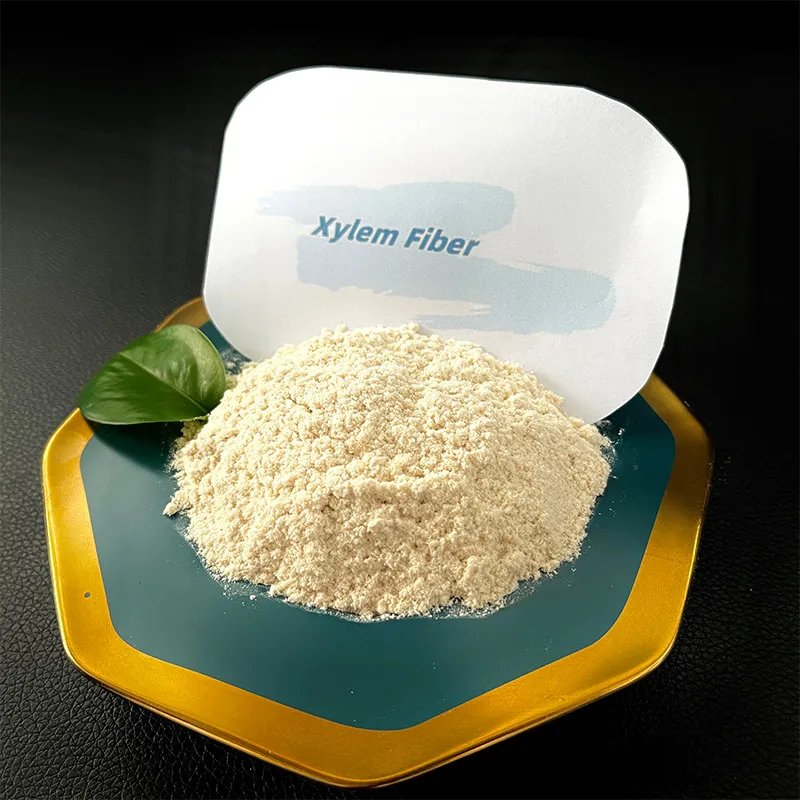
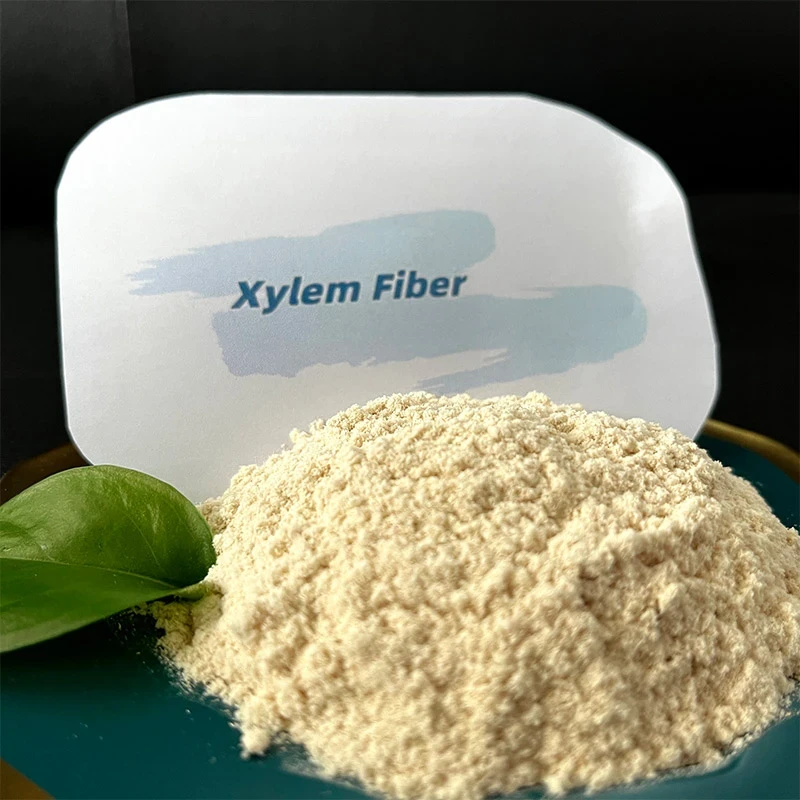


Xylem Fiber , a natural and renewable material sourced from wood, has emerged as a game-changer in modern industries. Derived from the fibrous tissue of trees, this eco-friendly resource undergoes advanced chemical treatments and mechanical processing to enhance its structural and functional properties. As global demand for sustainable solutions grows, Xylem Fiber is redefining the construction, manufacturing, and environmental sectors with its versatility and eco-conscious design. This article explores the features, advantages, technical specifications, and real-world applications of Xylem Fiber , while highlighting the role of HeBei ShengShi HongBang Cellulose Technology CO.,LTD in advancing this innovative material. What is Xylem Fiber? Xylem Fiber is a biodegradable, organic material extracted from the vascular tissue of trees. This natural resource is processed through a combination of chemical treatments and mechanical refinement to achieve optimal strength, durability, and workability. Unlike synthetic alternatives, Xylem Fiber retains its renewable and sustainable properties, making it an ideal choice for industries seeking eco-friendly solutions. The material’s unique composition allows it to integrate seamlessly into various applications, from construction to manufacturing, while reducing reliance on non-renewable resources. For more details about Xylem Fiber , visit the official product page . Key Features of Xylem Fiber Xylem Fiber boasts a range of features that make it a preferred choice in modern industries: Eco-Friendly Composition: Sourced from renewable wood resources, Xylem Fiber is biodegradable and reduces environmental impact compared to synthetic alternatives. Enhanced Strength and Durability: The fiber’s structural integrity is optimized through advanced processing techniques, making it suitable for high-stress applications. Adaptability: Xylem Fiber can be tailored to meet specific industry requirements, from construction materials to industrial products. Cost-Effective: By reducing the need for traditional raw materials, Xylem Fiber lowers production costs while maintaining quality. Advantages of Xylem Fiber The advantages of Xylem Fiber extend beyond its environmental benefits, offering practical value across multiple sectors: Sustainability: Xylem Fiber supports responsible forestry practices and contributes to carbon sequestration, aligning with global sustainability goals. Improved Material Performance: When integrated into concrete, mortar, or asphalt, Xylem Fiber enhances structural resilience and longevity. Biodegradability: Unlike synthetic fibers, Xylem Fiber decomposes naturally, reducing landfill waste and environmental pollution. Versatility: The material’s adaptability allows it to be used in diverse applications, from building materials to household products like wood pulp sponges. Learn more about HeBei ShengShi HongBang Cellulose Technology CO.,LTD and their commitment to innovation at the company page . Technical Specifications of Xylem Fiber Parameter Specification Material Source Natural wood fibers Processing Method Chemical treatments and mechanical refinement Applications Concrete, mortar, asphalt, gypsum, MDF, wood pulp sponges Environmental Impact Biodegradable, reduces carbon footprint Strength Enhanced structural integrity Applications of Xylem Fiber Xylem Fiber is a versatile material with applications spanning multiple industries: 1. Construction Industry In the construction sector, Xylem Fiber is used to enhance the properties of concrete and mortar mixes. Its incorporation improves compressive strength, reduces cracking, and increases durability. Additionally, Xylem Fiber is utilized in gypsum products to improve structural integrity and workability. 2. Asphalt Industry Xylem Fiber acts as a reinforcing agent in asphalt production, enhancing the resilience and longevity of road surfaces. This application reduces maintenance costs and extends the lifespan of infrastructure. 3. Medium Density Fiberboard (MDF) Xylem Fiber is a key ingredient in the production of MDF , a sustainable building material used in furniture and interior design. Its use ensures sturdiness while maintaining eco-friendly credentials. 4. Household Products The absorbent properties of Xylem Fiber make it ideal for manufacturing wood pulp sponges , offering a biodegradable alternative to synthetic cleaning products. Company Background: HeBei ShengShi HongBang Cellulose Technology CO.,LTD HeBei ShengShi HongBang Cellulose Technology CO.,LTD is a leading manufacturer specializing in cellulose wood fibers and related products. With a focus on sustainability and innovation, the company has established itself as a trusted provider of Xylem Fiber and other eco-friendly materials. Their state-of-the-art processing techniques ensure the production of high-quality fibers that meet international standards. For more information about the company, visit the HeBei ShengShi HongBang Cellulose Technology CO.,LTD website. Environmental and Economic Impact The adoption of Xylem Fiber contributes to both environmental and economic sustainability. By reducing reliance on non-renewable resources, the material helps lower the carbon footprint of industries. Additionally, its cost-effectiveness and adaptability make it an attractive option for manufacturers seeking to balance profitability with ecological responsibility. According to a study by the National Institute of Standards and Technology (NIST) , sustainable materials like Xylem Fiber play a critical role in advancing green technologies. NIST’s research emphasizes the importance of integrating renewable resources into manufacturing processes to achieve long-term environmental goals. While specific NIST standards for Xylem Fiber are still under development, the material’s alignment with sustainability principles positions it as a promising solution for the future. References: National Institute of Standards and Technology (NIST) Conclusion Xylem Fiber represents a significant advancement in sustainable material science, offering a renewable alternative to traditional industrial resources. Its unique properties, combined with the expertise of HeBei ShengShi HongBang Cellulose Technology CO.,LTD , make it a valuable asset for industries striving to meet environmental and performance standards. As the demand for eco-friendly solutions continues to grow, Xylem Fiber is poised to play a pivotal role in shaping the future of construction, manufacturing, and beyond. Explore the Xylem Fiber product page to learn more about its applications and benefits.
- 40000tons

Production
- 20+years

Experience
- 5000+㎡

Acreage

-
HPMC Dextran is the innovative addition to the pharmaceutical excipients' domain that is capturing significant attention due to its versatile applications and unparalleled quality. Leveraging real-world experience combined with profound expertise in the field of pharmaceutical science, the exploration of HPMC Dextran offers insightful revelations into its potential benefits and applications. HPMC (Hydroxypropyl Methylcellulose) Dextran is an intelligent combination of two well-established pharmaceutical excipients HPMC and dextran. This unique hybrid formulation marries the gel-forming, stabilizing properties of HPMC with the biocompatibility and low-immunogenicity characteristics of dextran. The result is a compound that significantly enhances the functionality and efficacy of therapeutic drugs, creating new possibilities in drug development and formulation. The experience-driven exploration of HPMC Dextran highlights its remarkable ability to improve the solubility and bioavailability of hydrophobic drugs. This property is particularly important for oral and injectable drug formulations where solubility can be a limiting factor. Formulators have reported enhanced patient outcomes in trials of drugs using HPMC Dextran due to its exceptional capacity to optimize drug release profiles, leading to steady drug concentrations in the bloodstream. Going beyond solubility enhancement, HPMC Dextran offers significant improvements in the stability of sensitive drug molecules. This compound protects active pharmaceutical ingredients (APIs) against degradation caused by environmental factors such as light, heat, and pH variations. Its film-forming ability ensures a robust protective barrier around APIs, prolonging their shelf-life and maintaining their therapeutic efficacy. This attribute is substantiated by authoritative reports from stability studies showcasing a reduction in degradation rates of key APIs when incorporated into HPMC Dextran matrixes. hpmc dextran Trustworthiness in pharmaceutical excipients is paramount , and HPMC Dextran shines with its proven safety profile. This compound has passed rigorous toxicological evaluations and is recognized for its non-cytotoxicity, non-immunogenicity, and biodegradability. Pharmaceutical developers trust HPMC Dextran not only for the safety it provides but also because it aligns well with the stringent regulatory requirements globally. Detailed safety assessments have reiterated its compatibility with a wide range of APIs, further validating its standing as a reliable and trustworthy excipient choice. Professionals exploring the application of HPMC Dextran can testify to its seamless integration into existing pharmaceutical production processes. With minimal requirement for additional infrastructure or re-calibration, adapting formulations to include HPMC Dextran is cost-effective and efficient. The excipient responds well to conventional and advanced manufacturing technologies such as 3D printing, thus supporting innovative formulation techniques that are reshaping modern drug development. HPMC Dextran stands out as a cornerstone in the ever-evolving pursuit of superior pharmaceutical formulations. By embracing this advanced excipient, pharmaceutical developers access an unprecedented opportunity to enhance drug performance and patient satisfaction. It is an embodiment of progress intersecting with demand, where established scientific principles meet real-world application, underscored by the trust it earns from researchers and manufacturers worldwide. The journey with HPMC Dextran is just beginning, promising an era of greater possibilities and achievements in pharmaceutical sciences.
-

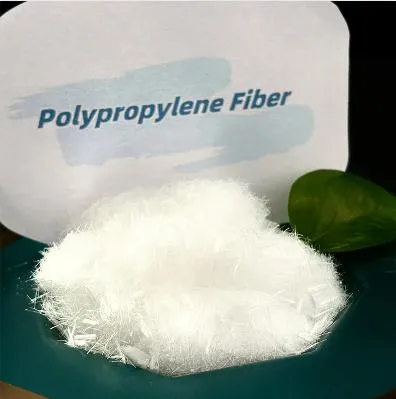
Fiber reinforced polypropylene (FRP) represents a groundbreaking advance in material science, uniquely blending the adaptable properties of polypropylene with the enhanced strength and durability of fiber reinforcements. This composite material is revolutionizing industries ranging from automotive to electronics, demonstrating unmatched performance and reliability. Composite materials, such as FRP, are designed to provide superior traits beyond those offered by single components. Polypropylene, a thermoplastic polymer, is well-recognized for its versatility, lightweight characteristics, and resilience to fatigue. However, its strength and stiffness can be inadequate for certain demanding applications. This gap is effectively bridged by incorporating fibers such as glass, carbon, or aramid, resulting in a composite with significantly improved mechanical properties. In automotive markets, the pursuit of lightweight materials without sacrificing strength is relentless due to increasing regulatory demands for fuel efficiency and emissions reduction. Fiber reinforced polypropylene offers an ideal solution, presenting an attractive balance of weight and performance. Its application in vehicle components, such as bumpers, dashboards, and under-the-hood parts, contributes significantly to overall weight reduction, leading to improved fuel economy and lowered emissions. Additionally, the composite’s resistance to impact and high tensile strength ensures enhanced safety and durability—imperative factors in automotive design. Moreover, the sustainability of fiber reinforced polypropylene makes it a material of choice for manufacturers intent on reducing environmental impact. Polypropylene is one of the most recyclable polymers, and when combined with recyclable fibers, the resultant composite can often be recycled or reprocessed with minimal degradation of quality. This attribute supports a more sustainable lifecycle, aligning with global sustainability trends and demands from environmentally conscious consumers. In the construction industry, fiber reinforced polypropylene is rapidly gaining traction due to its outstanding resistance to corrosion, chemicals, and moisture—all critical considerations in the longevity and maintenance of building structures. Its non-conductive nature also renders it suitable for applications where electrical conductivity may pose safety risks. For infrastructure projects, this composite material is utilized in components like reinforcing bars (rebars), panels, and deckings, offering longevity and reduced maintenance costs compared to traditional materials like steel. fiber reinforced polypropylene From an engineering perspective, designing with fiber reinforced polypropylene requires profound expertise. Each application demands a tailored approach in determining the type, orientation, and volume fraction of the fiber to achieve desired mechanical properties. Factors such as thermal conductivity, dimensional stability, and surface finish also need careful consideration during product development to ensure efficient manufacturability and performance under operational conditions. Fiber reinforced polypropylene is also notable for its applications in the consumer electronics sector . As the demand for portable, durable, and aesthetically pleasing devices continues to grow, manufacturers find themselves turning to this composite for enclosures and structural components. Not only does it provide the necessary rigidity and resistance to wear, but it also allows for intricate molding which is critical in designing sleek modern gadgets. Its capacity for vibrant coloration and finesse in surface texture showcases the composite’s flexibility in meeting aesthetic and functional requirements simultaneously. The aerospace sector similarly benefits from FRP’s lightweight and strong characteristics. Being a crucial contributor to the reduction of aircraft weight, it enhances fuel efficiency and range—an essential objective in aviation engineering. Used in the production of interior panels, seat structures, and certain aerodynamic surfaces, fiber reinforced polypropylene not only meets the stringent safety and performance standards but also minimizes operational costs over an aircraft’s service life. In summary, the multifaceted advantages of fiber reinforced polypropylene are proving indispensable across diverse industries. Its capacity to merge strength with lightweight and recyclable properties positions it as a leader in future material innovation and sustainability efforts. Expertise in its application can significantly enhance performance, reduce costs, and support environmental objectives. As new fibrous materials and technological advancements continue to emerge, the potential applications and benefits of FRP will undoubtedly expand, further entrenching its place as an essential material in modern engineering and product design.
advantages
-

200000 Viscosities
Excellent product
We can produce pure products up to 200,000 viscosities
-

40000 tons
High yield
We don’t stop production all year round, and the annual output can reach 40,000 tons
-

24 hours
Quality service
We provide 24-hours online reception service, welcome to consult at any time
———— Inquiry Form
Schedule A services


-
 wanga_ether_katika_adhesive_tile
Oct . 25, 2025
The Exploration of VAE for Dimensionality Reduction In the field of machine learning, Variational Au - hpmc_hydroxypropylmethylcellulose
Oct . 25, 2025
Hydroxyethyl starch (HES) has surged into focus as a powerful tool within the medical and healthcare -
 fournisseurs_de_fibres_pp
Oct . 25, 2025
Polypropylene Fibers for Sale An Overview In the world of textiles and materials, polypropylene fibe


